

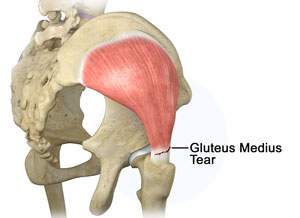
What Are Gluteus Medius and Minimus Tears?
Gluteus medius and minimus tears are injuries to two important muscles located on the outer side of the hip. These muscles help stabilize the pelvis and allow smooth movement during walking, running, and standing on one leg. When either tendon becomes torn, partially or completely, it can lead to pain, weakness, and difficulty with daily activities. These injuries are sometimes referred to as “rotator cuff tears of the hip” due to their similar function in stabilizing joints.
What Are the Causes of Gluteus Medius and Minimus Tears?
Several factors can contribute to these tears, often developing gradually over time or from a sudden injury. Common causes include:
- Degenerative changes: Wear and tear of the tendons with age
- Repetitive stress: Activities like running or prolonged standing
- Trauma or injury: Falls or direct impact to the hip
- Muscle imbalances: Weak hip or core muscles placing extra strain on tendons
- Poor biomechanics: Abnormal gait or posture affecting hip alignment
These factors may act alone or together to weaken the tendons and increase the risk of tearing.
What Are the Symptoms of Gluteus Medius and Minimus Tears?
Patients with these tears often experience a combination of pain and functional limitations. Common symptoms include:
- Lateral hip pain: Pain on the outside of the hip, especially when lying on that side
- Weakness: Difficulty lifting the leg or maintaining balance
- Limping: An abnormal walking pattern due to instability
- Tenderness: Pain when pressing over the hip area
- Reduced mobility: Difficulty climbing stairs or standing for long periods
Symptoms may worsen with activity and improve with rest in early stages.
How Are Gluteus Medius and Minimus Tears Diagnosed?
Diagnosis begins with a detailed medical history and physical examination. A physician will assess hip strength, range of motion, and areas of tenderness. Specific tests may be performed to evaluate muscle function and detect weakness. Imaging studies such as MRI or ultrasound are commonly used to confirm the presence and extent of the tear. These tools help guide treatment by providing a clear view of the affected tendons.
What Are the Treatment Options for Gluteus Medius and Minimus Tears?
Treatment depends on the severity of the tear and the patient’s activity level. Options may include:
- Conservative care: Rest, activity modification, and anti-inflammatory medications
- Physical therapy: Strengthening and stretching exercises to improve hip stability
- Injections: Corticosteroid or PRP injections to reduce pain and inflammation
- Assistive devices: Temporary use of a cane to reduce stress on the hip
- Surgical repair: Minimally invasive or open surgery for severe or persistent tears
Early diagnosis and appropriate treatment can help restore function and reduce long-term complications.
For more information about our services or to schedule an appointment, call us at or click here to request an appointment online. We’ll respond to you as soon as possible.